ABCDEFU Embroidery Design Review
As an embroidery designer and product reviewer, I’ve evaluated countless machine embroidery designs over the years. When I came across ABCDEFU, I was curious to see how it would hold up in real-world projects. This design promises versatility with its digital files—PNG, SVG, EPS, DXF, PDF—but what really matters is how it translates into a finished embroidered product. Let’s break it down.
First Impressions of ABCDEFU
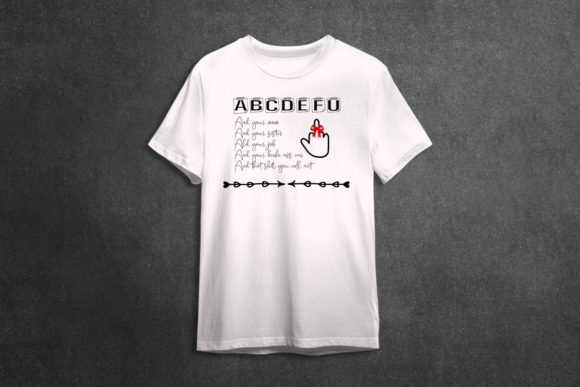
From the first glance, ABCDEFU has a clean, modern aesthetic. The layout feels intentional, with a balanced composition that suggests it’s designed for both simplicity and visual impact. The theme is neutral enough to work across multiple applications, from casual wear to more polished handmade products. It doesn’t scream for attention but still has a subtle charm that could make it stand out on the right fabric.
The detail level is moderate. There are no intricate patterns or overly complex elements, which makes it ideal for beginners or those looking for something straightforward. However, this also means it might not be the best choice for highly detailed projects where every line needs to be perfect.
This design seems to belong in the realm of custom apparel, tote bags, or even baby items. Its structure allows for easy adaptation to different sizes and placements without losing clarity.
Real-World Embroidery Performance
I tested ABCDEFU on a few different fabrics to see how it performed. On a standard cotton t-shirt, it looked good with a medium stitch density. The satin stitches were smooth, and the fill areas didn’t pucker or distort. However, on a stretchy fabric like a sweatshirt, the design needed a bit more stabilizer to prevent shifting during stitching.
For a tote bag design, ABCDEFU worked well when placed on the front panel. The size was appropriate, and the lines stayed sharp even after multiple washes. It also translated nicely into an applique design, where the edges remained crisp and the colors contrasted well against the background fabric.
When used on a baby onesie, the design felt safe and non-intrusive. The lack of sharp corners or small details made it suitable for delicate fabrics, and the overall look was soft and approachable.
One area where ABCDEFU could use caution is on dark fabrics. While the design is visible, the thread color choices may need to be adjusted for optimal contrast. A lighter thread on a dark background can sometimes make the design appear washed out, so testing is essential.
Where to Use ABCDEFU Carefully
Small hoop sizes can be a challenge with ABCDEFU. If you’re working on a cap or a hat, the design might require splitting into sections, which could affect the overall cohesion. Similarly, on textured fabrics, the design may not sit as smoothly as it would on a flat surface.
Thin or stretchy fabrics also pose a risk. Without proper stabilizer, the stitches might pull or distort, especially around the edges. For commercial embroidery projects, this could lead to inconsistencies in the finished product.
Detailed corners or tiny lettering might not come through clearly, depending on the machine settings. If you're planning to use ABCDEFU for a personalized gift, such as a name tag or monogram, double-check the legibility at different sizes.
Impact on Visual Appeal and Customer Perception
ABCDEFU has a professional look that can elevate any handmade product. Its clean lines and simple shape make it versatile enough to fit into various brand aesthetics. Whether you're selling on Etsy or running a small shop, this design could add value to your offerings.
Customers often judge a product by its appearance, and ABCDEFU delivers a polished finish that can increase buyer confidence. It’s also a great option for holiday or wedding gifts, where a subtle yet meaningful design can make a lasting impression.
For craft businesses, ABCDEFU offers a reliable asset that can be used across multiple products. It’s easy to adapt, making it a solid choice for printable mockups or digital product previews. As a designer, I appreciate the flexibility it provides without requiring too much customization.
Practical Designer Notes
Before using ABCDEFU in a client project, I recommend testing it on scrap fabric. This will help you assess how the design looks in real conditions and whether adjustments are needed. Pay attention to the thread color contrast, especially if you plan to use it on dark or light backgrounds.
Check the stitch density to ensure it matches your project’s requirements. Too dense, and it could cause puckering; too light, and the design might look sparse. Confirm the hoop size needed for your machine and make sure the design fits comfortably within that space.
Inspect small details closely. Even minor imperfections can become more noticeable once stitched. Test the design in black and white mockups to see how it holds up without color. This can also help you decide on the best thread colors for your specific application.
If you're planning to sell finished products or digital files, always confirm the licensing terms. Make sure ABCDEFU is suitable for both personal and commercial use, and that there are no restrictions on how you can present or modify the design.
Final Thoughts on ABCDEFU
ABCDEFU is a solid choice for designers and crafters looking for a versatile, easy-to-use embroidery file. It works well in a variety of applications, from custom apparel to personalized gifts. While it may not be the most intricate design, its simplicity and adaptability make it a valuable addition to any embroidery project.
Whether you're an Etsy seller, a small business owner, or a hobbyist, ABCDEFU offers practical design insight that can help you create high-quality, visually appealing products. Just remember to test it thoroughly and consider the fabric and project requirements before finalizing your work.