Alice Found Herself a Unicorn to Have
As an embroidery designer and product reviewer, I’ve seen my fair share of digital files—some that feel like a perfect fit for real projects, and others that fall short in practical use. Alice Found Herself a Unicorn to Have is one of the former. This design has a whimsical charm that translates well into real-world embroidery, but it’s not without its nuances. Let me walk through how this design performs in actual use and where it shines—or where it might need a bit more attention.
The First Impression: A Whimsical Yet Practical Design
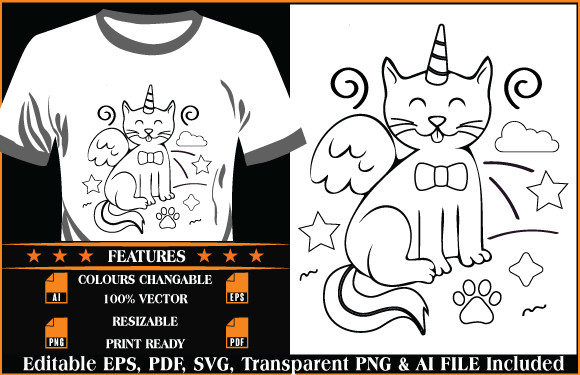
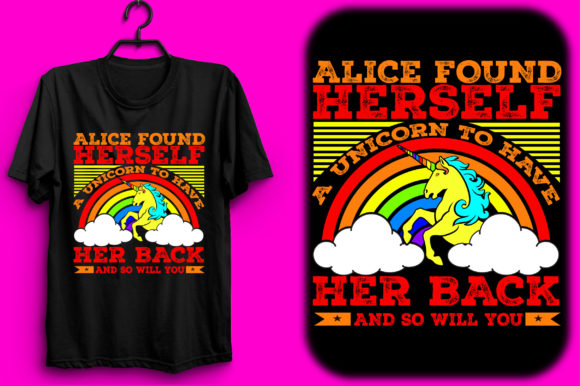
From the moment I opened Alice Found Herself a Unicorn to Have, I was struck by its playful aesthetic. The unicorn is stylized with soft curves and a dreamy color palette that feels both nostalgic and modern. It’s not overly complex, which makes it accessible for a wide range of embroidery projects. The layout is balanced, with enough detail to make it visually engaging without being overwhelming.
This design seems to belong on custom apparel, especially t-shirts or sweatshirts, but it also works well on tote bags, baby items, or even as an embroidered patch. Its theme is light-hearted and fun, making it ideal for personalized gifts or boutique merchandise. The visual personality of the design is warm and inviting, which can be a big plus when trying to connect with customers who appreciate handmade or creative products.
Real-World Embroidery Performance
When I tested Alice Found Herself a Unicorn to Have on a cotton t-shirt, the results were promising. The unicorn shape came out clearly, with clean lines and good definition. The stitch density wasn’t too heavy, which is great for avoiding puckering on lighter fabrics. However, I did notice that some of the finer details, like the horn and the mane, required careful stitching to maintain their integrity.
For a machine embroidery design, this file works best with a moderate hoop size. If you’re using a smaller hoop, you might find yourself splitting the design into sections, which could add time and complexity. That said, if you're working on a project like a baby onesie or a cap, where space is limited, you’ll want to double-check how the design scales.
On textured fabrics, like a thick sweatshirt or a knitted sweater, the design holds up well. But on thin or stretchy materials, such as a lightweight t-shirt or a delicate fabric, you might need to adjust your stabilizer or use a lower stitch density to prevent distortion. Dark fabrics also require careful thread color selection to ensure the design stands out clearly.
Where to Use It Carefully
While Alice Found Herself a Unicorn to Have is versatile, there are a few areas where caution is advised. For instance, if you're planning to use it on a curved surface like a cap or a hat, you may need to adjust the design slightly to account for the curvature. Similarly, if the design includes tiny lettering or intricate corners, those elements might get lost during the stitching process unless you take extra care with your settings.
Dense stitch areas, such as the unicorn’s body, can cause the fabric to pucker if not stabilized properly. I recommend using a good quality tear-away or cut-away stabilizer, especially if you’re working with a lightweight or stretchy fabric. Also, if you’re planning to sell finished products, always check the licensing terms before using the design commercially.
Impact on Visual Appeal and Customer Perception
One of the most important factors in embroidery design is how it looks after stitching. Alice Found Herself a Unicorn to Have delivers a clear, recognizable image that can elevate a simple t-shirt into a standout piece. Its visual appeal is strong, and the design has a certain charm that makes it appealing for both personal and commercial use.
When it comes to customer trust, a well-executed embroidery design can make all the difference. A design like this can help build brand consistency, especially if you're selling handmade products or custom apparel. It also adds value to your offerings, making it easier to justify higher pricing or attract buyers looking for unique, personalized items.
From a giftability standpoint, this design is a winner. It’s cute, easy to recognize, and has a sense of nostalgia that many people will appreciate. Whether it’s for a child’s nursery, a holiday gift, or a personalized item for a friend, Alice Found Herself a Unicorn to Have has a universal appeal that can translate well across different markets.
Practical Designer Notes
Before jumping into a full project, I always recommend testing the design on scrap fabric. This helps you see how the stitches look on your specific material and allows you to adjust settings if needed. You should also check the contrast between your thread colors and the fabric background—especially if you're working with dark or light materials.
Inspecting small details is crucial. Some designs have elements that don’t translate well in embroidery, so it’s worth checking the file for any potential issues. Testing the design in black and white mockups can also help you see how it looks without color, which is useful for printable mockups or digital product previews.
Finally, always confirm whether the design is suitable for both personal and commercial use. While the file formats provided (SVG and DXF) are standard for most embroidery machines, it’s still a good idea to verify compatibility with your specific equipment. And remember, even the best design needs the right stabilizer, proper hoop size, and attention to stitch density to come out perfectly.