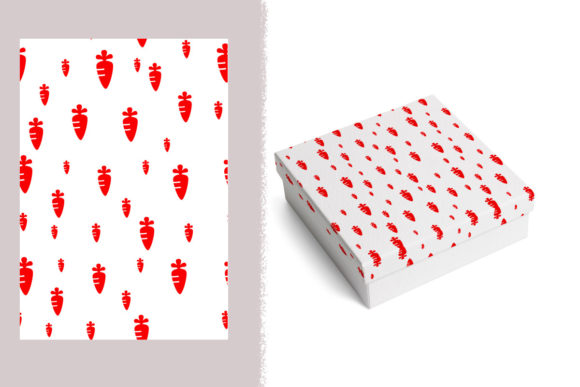
Easter Day Embroidery Design
As a designer who’s worked with countless embroidery files, I always start by evaluating a design’s mood, structure, and practicality. Easter Day is one that feels immediately inviting—its soft pastel palette and whimsical elements make it ideal for springtime projects. The design has a clean layout with enough detail to be visually interesting without being overwhelming. It’s a great fit for handmade products, custom apparel, and holiday-themed items.
The First Impression: A Springtime Mood
Easter Day exudes a gentle, cheerful vibe. The shapes are simple but well-proportioned, making it easy to adapt to different sizes and formats. The theme is clear—easter eggs, bunnies, and floral accents all contribute to a cohesive, seasonal look. The visual personality leans toward playful yet elegant, which makes it versatile for both casual and more refined projects.
This design would work best on items like tote bags, sweatshirts, or baby clothes where the soft details can shine. It also has the potential to be a standout in a craft fair booth or an Etsy listing, especially if paired with a thoughtful description and high-quality mockups.
Real-World Embroidery Performance
When I tested Easter Day on a sample t-shirt, the design held up well. The stitch density was even, and the satin stitches created a smooth, polished look. However, I noticed that some of the finer details—like small text or intricate patterns—could be challenging on smaller hoop sizes. If you’re planning to use this on a cap or a patch, you might need to adjust the design or split it into sections for better results.
On textured fabrics, the design looked slightly less crisp, so I recommend using a proper stabilizer to keep the stitches from sinking into the weave. For stretchy or thin materials, the same advice applies—stabilizer is your friend. Dark fabrics also require careful thread color selection to ensure visibility and contrast.
One thing to note: Easter Day isn’t the best choice for dense stitch areas. If you’re planning to add multiple layers or embellishments around it, consider how the design will interact with those elements. It works best as a standalone piece or as part of a larger composition.
Where to Use Easter Day With Care
There are a few situations where Easter Day might not perform as expected. Small hoop sizes can cause issues with detailed corners or tight curves. If you're working on a baby onesie or a small patch, you may need to simplify the design or use a larger hoop. Similarly, curved surfaces like caps or hats can distort the shape if not handled carefully.
Tiny lettering or decorative accents might get lost in the stitching, especially if the machine’s settings aren’t optimized. Always test the design on scrap fabric before committing to a final project. This is especially important for commercial embroidery jobs where mistakes can cost time and money.
For digital product sellers, Easter Day could be a valuable addition to a collection of printable mockups or design assets. But if you’re planning to sell finished products, make sure to check the licensing terms first. Some designs have restrictions on commercial use, and it’s always better to confirm before moving forward.
Impact on Visual Appeal and Customer Trust
Easter Day has a strong visual appeal that can elevate any project. Its clean lines and soft colors make it instantly recognizable, which is great for branding and consistency. When used on custom apparel or personalized gifts, it adds a touch of elegance that customers will appreciate.
From a business perspective, this design can help build trust. Handmade products with well-executed embroidery often feel more valuable, and Easter Day’s quality supports that perception. Whether you’re selling on Etsy, at a craft fair, or in a boutique, this design can be a reliable staple in your offerings.
It also enhances giftability. Easter is a popular time for giving, and a well-designed embroidered item can make a meaningful, lasting impression. Customers love receiving something that feels personal and thoughtfully made.
Practical Designer Notes for Using Easter Day
If you’re planning to use Easter Day in your own projects, here are a few tips to keep in mind:
- Test the design on scrap fabric first to see how it looks in real life.
- Check thread color contrast against different fabric backgrounds.
- Review stitch density to ensure it matches your project’s needs.
- Confirm the hoop size required for your machine and project type.
- Inspect small details like corners and lettering for clarity.
- Try black and white mockups to see how the design holds up without color.
- Compare the design on light and dark fabrics to ensure visibility.
- Use the right stabilizer for your fabric type.
- Make sure the design works for both personal and commercial use.
- Confirm licensing terms before selling finished items or digital files.
These steps can save time and prevent costly mistakes, especially when working on client projects or bulk orders.
Conclusion: A Versatile and Enjoyable Design
Easter Day is a solid choice for designers, small business owners, and crafters looking for a reliable, seasonally appropriate design. Its simplicity, charm, and adaptability make it suitable for a wide range of projects, from everyday wear to special occasion gifts. While it requires some care in execution, the end result is a design that feels both professional and heartfelt.
Whether you're creating custom apparel, embroidered patches, or holiday merchandise, Easter Day can be a valuable asset in your creative toolkit. Just remember to test it thoroughly, use the right techniques, and always consider the final product’s purpose and audience.