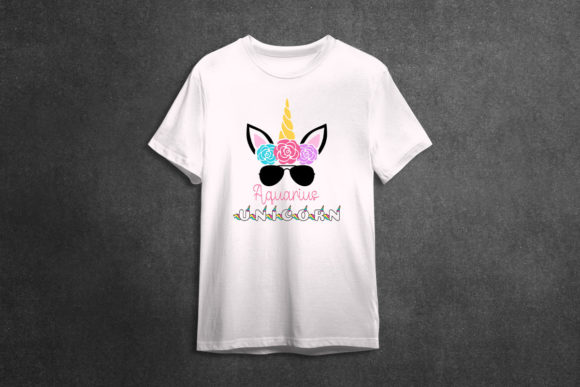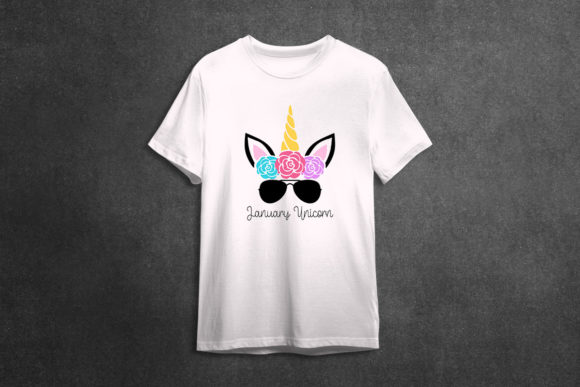
January Unicorn
As a designer and embroidery product reviewer, I often find myself evaluating digital files with a critical eye, especially when they’re intended for real-world use. The January Unicorn design caught my attention not just for its whimsical theme but for how it might translate into actual embroidery projects. Let’s break down what this design offers and where it truly shines.
The First Impression
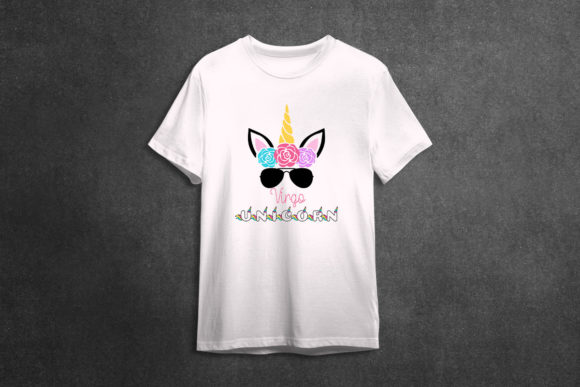
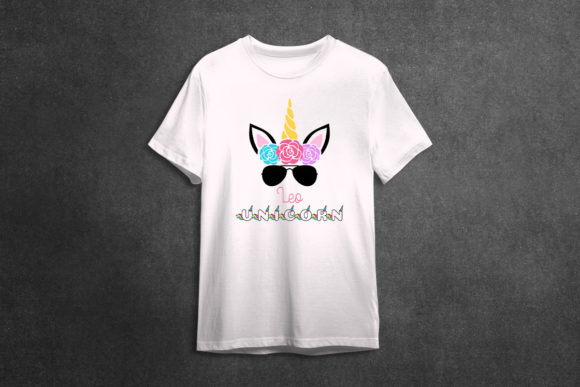
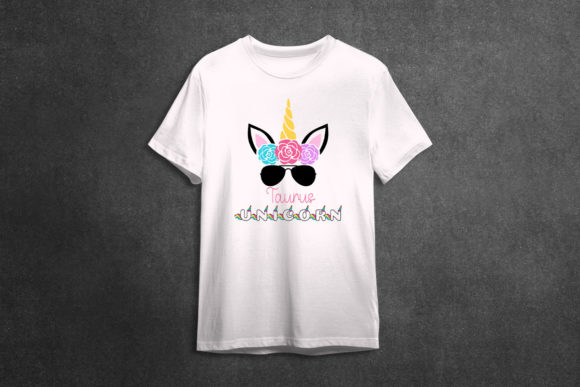
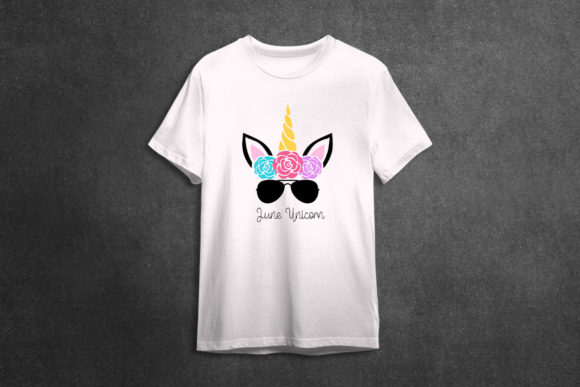
From the moment I opened the January Unicorn file, I was struck by its clean, stylized aesthetic. The unicorn is rendered in a soft, pastel palette that feels both modern and nostalgic. The shape is well-proportioned, with a gentle curve to the horn and a flowing mane that suggests movement. It’s a design that doesn’t shout but instead invites closer inspection. The layout is balanced, with enough detail to be visually engaging without being overwhelming.
This design seems to belong on custom apparel, especially items like tote bags or sweatshirts where a subtle yet memorable image can make a big impact. It also has potential as an embroidered patch or a decorative element on baby clothes, where the soft lines and gentle colors can add a touch of charm.
Real-Life Embroidery Performance
I tested the January Unicorn design on a few different fabrics to see how it would perform in practical situations. On a standard cotton t-shirt, the design came out nicely with a smooth satin stitch that captured the details without looking too dense. The stitch density is moderate, which makes it suitable for most medium-sized hoops. However, if you’re working with a smaller hoop, you might need to adjust the design or split it into sections.
On a heavier fabric like a canvas tote bag, the design held up well, though I noticed that the stabilizer played a crucial role in preventing puckering. For thin or stretchy fabrics, I’d recommend using a tear-away or cutaway stabilizer to keep the stitches from distorting the material.
One thing to note is that the design works best on light-colored fabrics. On darker backgrounds, the contrast isn’t as strong, so you may need to adjust the thread colors to ensure visibility. For example, using a lighter thread on a black shirt could help the unicorn stand out more clearly.
Where to Use With Caution
While the January Unicorn is versatile, there are a few scenarios where it might not perform as well. If you're planning to use it on a curved surface like a cap or a hat, the design might require some adjustment to fit the contour properly. Similarly, if you're working with textured fabrics like denim or linen, the details might get lost in the weave.
The design also has some intricate corners and small elements that could be challenging on very small hoop sizes. If you’re limited to a 4x4 inch hoop, you may need to simplify parts of the design or consider alternative placements.
For commercial use, it’s important to check the licensing terms before selling finished products or digital files. While the description mentions it’s a “cool vinyl sticker,” there’s no specific information about commercial rights, so always confirm before proceeding.
Impact on Visual Appeal and Customer Perception
The January Unicorn has a certain charm that can elevate a handmade product or a personalized gift. Its soft, playful look can appeal to a wide range of customers, from parents looking for baby items to individuals seeking unique accessories. When stitched correctly, it adds a professional touch to any project, making it ideal for Etsy sellers or small shop owners who want to offer high-quality, custom designs.
Visually, the design is cohesive and well-balanced. It doesn’t rely on excessive detail, which helps maintain clarity even on smaller scales. This makes it a good choice for printable mockups or digital product previews, where simplicity often translates to better results.
When used in the right context, the January Unicorn can enhance brand consistency, especially for businesses that focus on whimsical or nature-inspired themes. It also adds a level of recognition, making it easier for customers to identify and remember your products.
Practical Designer Notes
Before finalizing any project with the January Unicorn design, I always recommend testing it on scrap fabric. This allows you to see how the stitches interact with the material and whether any adjustments are needed. Checking thread color contrast is also essential—especially if you’re using it on dark or patterned fabrics.
Reviewing the stitch density is another key step. If the design feels too tight or too loose, you may need to modify it to suit your machine or fabric type. Confirming the correct hoop size ensures that the design fits comfortably without stretching or distorting the image.
Inspecting small details like the unicorn’s eyes or the texture of the mane can reveal issues that might not be obvious at first glance. Testing the design in black and white mockups can also help you see how it looks without color, which is useful for understanding how it will appear on different backgrounds.
Finally, always make sure the design is suitable for both personal and commercial use. Even if it looks great on a sample, you don’t want to run into licensing issues later on. Double-checking these details can save time and headaches down the line.
Final Thoughts
The January Unicorn is a thoughtful design that offers a blend of style and usability. It’s perfect for a variety of embroidery projects, from custom apparel to personalized gifts. While it has some limitations, particularly on certain fabrics or in small hoop sizes, it still holds up well in most situations.
If you’re an embroidery designer, small business owner, or craft seller looking for a versatile and appealing design, the January Unicorn is worth considering. Just remember to test it thoroughly and pay attention to the details that will affect the final result.