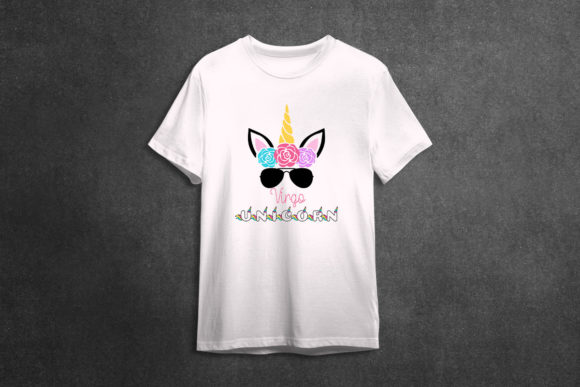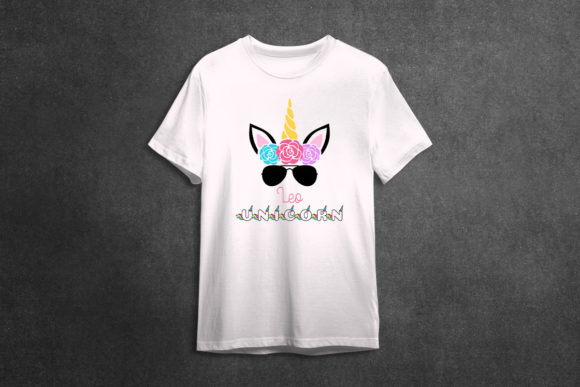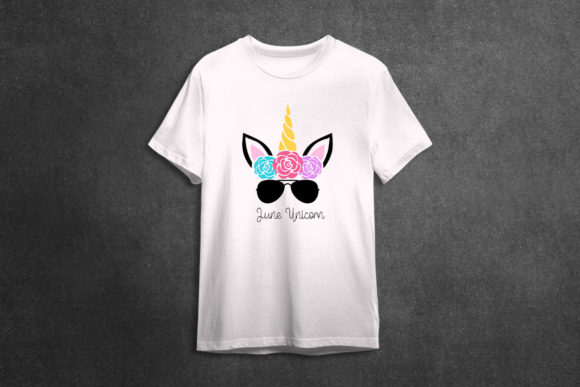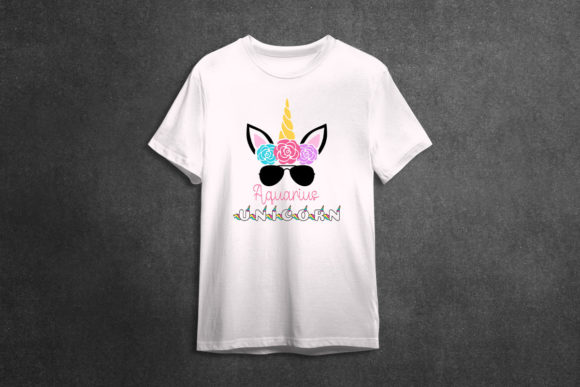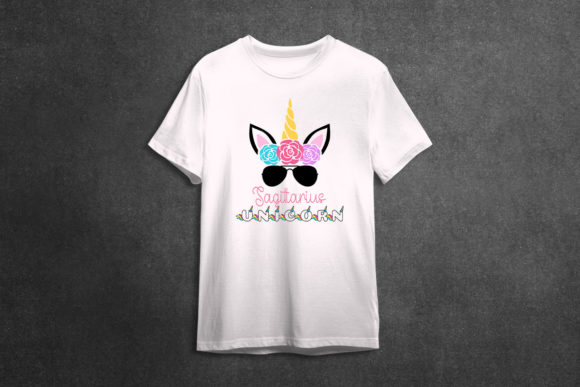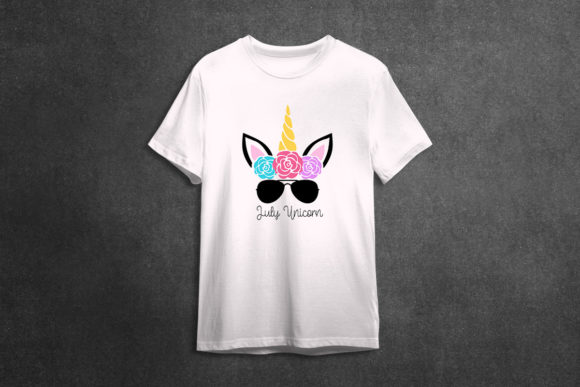
July Unicorn Embroidery Design
As an embroidery designer and product reviewer, I always approach new designs with a critical eye, considering how they’ll translate to real-world projects. July Unicorn is a whimsical and colorful design that promises to add a magical touch to a variety of handmade and commercial items. But does it deliver in practical use? Let’s break it down.
The First Impression: A Magical Mood
From the moment I saw July Unicorn, it immediately evoked a sense of playfulness and fantasy. The unicorn is stylized with soft curves, pastel hues, and a dreamy aesthetic that feels perfect for baby items, children’s clothing, or personalized gifts. The layout is balanced, with enough detail to be visually engaging but not so intricate that it becomes overwhelming. It has a friendly, approachable vibe that makes it ideal for a wide range of embroidery projects.
The design seems to lean toward a digital embroidery file that would work well as an applique design or one that uses a combination of satin stitch and fill stitch. Its color palette suggests it could be adapted to various thread colors, which is a plus for customization.
Real-World Use: Where Does July Unicorn Shine?
July Unicorn is versatile enough to fit into multiple types of embroidery projects. For example, if you're creating a custom embroidered tote bag, this design could be a standout feature that draws attention. It would also work well on sweatshirts, t-shirts, or even aprons for a boutique shop. The unicorn’s shape and size make it suitable for both large and medium hoop sizes, though it might require some adjustments for smaller hoops.
For baby items like onesies or blankets, July Unicorn adds a charming touch that parents would love. It could also be used as an embroidered patch for backpacks or jackets, giving a handmade feel to the finished product. As a holiday or wedding gift, the design has the potential to be a unique and memorable item, especially when paired with thoughtful text or additional embellishments.
On the commercial side, July Unicorn could be a great addition to an Etsy seller’s inventory or a small shop’s merchandise. Its visual appeal and versatility make it a strong candidate for printable mockups or digital product previews, helping to showcase the design before it’s stitched onto fabric.
Where to Be Careful: Potential Challenges
While July Unicorn is visually appealing, there are a few areas where caution is needed. If you’re working with small hoop sizes, the design may need to be split or resized to fit properly. This could affect the overall look, especially around the details like the horn or mane.
Textured fabrics or thin, stretchy materials could pose challenges. The design might not hold up as well on these surfaces, leading to distortion or uneven stitching. Dark fabrics may also require careful consideration of thread colors to ensure the design stands out clearly.
Curved surfaces, such as caps or hats, can be tricky when it comes to embroidery. July Unicorn’s shape might not sit perfectly on these surfaces without some reworking. Additionally, if the design includes tiny lettering or detailed corners, those elements may not come out as crisp as intended, depending on the machine settings and stabilizer used.
Impact on Visual Appeal and Customer Perception
When it comes to visual appeal, July Unicorn has a lot to offer. Its playful style and clean lines make it easy to integrate into different products. However, the success of the design depends largely on how it’s executed. Poorly stitched details or mismatched thread colors could diminish its impact.
For small business owners and crafters, the design can enhance the value of a handmade product. A well-executed July Unicorn embroidery can increase customer trust and engagement, making it a more desirable item for buyers. It also contributes to brand consistency, especially if it aligns with the overall aesthetic of a shop or collection.
As a personalized gift, the design has the potential to stand out. It’s unique enough to feel special while still being accessible for a wide audience. However, it’s important to consider the recipient’s preferences—some may find the design too childish or overly whimsical for certain occasions.
Practical Designer Notes: What to Check Before Using
Before using July Unicorn in any project, I recommend testing it on scrap fabric first. This helps identify any issues with stitch density, stabilizer use, or thread color contrast. It’s also a good idea to review the stitch density to ensure the design isn’t too dense, which could cause puckering or fabric damage.
Check the hoop size required for the design. If it’s larger than what your machine can handle, you may need to adjust the design or split it into sections. Inspect small details closely, as they may not translate well in all fabric types or under certain lighting conditions.
Test the design in black and white mockups to see how it looks without color. Compare it against both light and dark fabric backgrounds to ensure visibility and contrast. Use the proper stabilizer for the fabric you’re working with, and confirm that the design is suitable for both personal and commercial use.
Finally, always check the licensing terms before selling any finished items or digital products. Even if the design appears to be free for commercial use, it’s best to verify the terms to avoid any legal issues down the line.
Conclusion: A Fun and Functional Design
July Unicorn is a fun and functional embroidery design that can elevate a variety of projects. Its whimsical style and adaptability make it a great choice for custom apparel, baby items, and personalized gifts. While it has some limitations in certain situations, with proper care and preparation, it can be a valuable addition to any embroidery portfolio or product lineup.