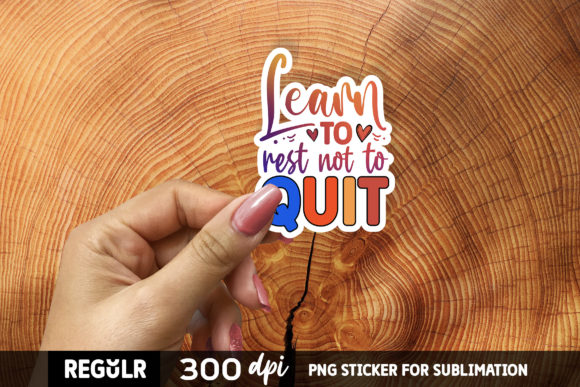
Learn to Rest Not to Quit SVG
As a designer and embroidery product reviewer, I’ve seen thousands of machine embroidery designs. Some are functional, others are decorative, but very few hit the right balance between visual appeal and practical use. Learn to Rest Not to Quit SVG is one of those rare finds. It’s a design that feels intentional, with a message that resonates and a layout that works across multiple applications.
The First Impression: A Message That Speaks Volumes
From the first glance, Learn to Rest Not to Quit SVG has a calm, reflective energy. The text is clean and readable, with a subtle personality that doesn’t scream for attention. It’s not overly stylized, which makes it versatile. The shape and layout suggest a design that can be adapted to different formats—whether as an applique design or a satin stitch piece.
This design feels like it was made for personal reflection, but it also has the potential to become a powerful statement in handmade products. It’s the kind of design that could be used on a custom apparel item, a baby onesie, or even a holiday gift. The theme is positive and uplifting, which makes it appealing for both personal and commercial use.
Real-World Use: Where Does This Design Shine?
When I think about where Learn to Rest Not to Quit SVG would fit best, I imagine it on a tote bag design or a sweatshirt embroidery. It’s simple enough to work on larger hoop sizes, and the lettering is clear without being too dense. For a small business owner or Etsy seller, this could be a great addition to a line of motivational or lifestyle-themed items.
It also works well on baby clothes. The soft, encouraging message pairs nicely with the gentle nature of baby embroidery. On a onesie or a blanket, it adds a meaningful touch that parents might appreciate. Similarly, it could be a thoughtful addition to a personalized gift, such as a pillow cover or a kitchen towel.
For a craft business, Learn to Rest Not to Quit SVG could be part of a printable mockup set or a digital product preview. It’s ideal for a boutique brand looking to create consistent, high-quality design assets that align with their aesthetic.
Where to Be Cautious: Design Limitations
Despite its strengths, there are some areas where Learn to Rest Not to Quit SVG may require more attention. If you’re planning to use it on small hoop sizes, you’ll need to ensure that the design scales appropriately. Tiny lettering or detailed corners could become problematic if not adjusted properly.
On textured fabrics or thin materials, the design may not show up as clearly. You’ll want to test it on scrap fabric before committing to a finished product. Similarly, on stretchy or dark fabrics, the thread colors may not contrast well, so it’s important to check how the design looks in different lighting conditions.
If you’re using it on curved surfaces like caps or hats, the design may need some reworking to maintain its shape. And for commercial embroidery projects, make sure the stitch density isn’t too heavy, as that could cause puckering or distortion on certain materials.
Impact on Visual Appeal and Customer Perception
Learn to Rest Not to Quit SVG has a strong visual presence when stitched out. It maintains clarity and professionalism, which is essential for any handmade product or custom apparel. When used on a well-made embroidered patch or a tote bag design, it elevates the overall look and feel of the item.
From a customer perspective, this design can create a sense of trust. People often look for meaning in the products they buy, and a design with a positive message can make a significant difference. It also adds value to a finished product, especially when paired with quality stitching and proper stabilizer use.
For a small shop product or an Etsy listing, this design can help differentiate your offerings. It’s not just a graphic—it’s a statement. Whether it’s used on a holiday gift or a personalized item, it adds a layer of thoughtfulness that customers appreciate.
Practical Designer Notes: What to Check Before Using
Before jumping into using Learn to Rest Not to Quit SVG, I recommend testing it on scrap fabric. This will give you a good idea of how the stitches look and whether the design translates well to your chosen material. Also, check the thread color contrast—especially if you’re using it on dark or light backgrounds.
Review the stitch density to make sure it’s appropriate for the fabric you’re working with. If the design is too dense, it might cause issues on delicate or stretchy materials. Confirm the hoop size needed for the design, and make sure your embroidery machine can handle it.
Inspect small details like corners and lettering. If anything looks off, consider adjusting the design or using a different file format. Test it in black and white mockups to see how it looks without color. This can help you decide if it’s suitable for your project.
Finally, always check the licensing terms before selling finished items or digital products. Even though the design seems straightforward, it’s important to confirm that it’s suitable for commercial use.
Final Thoughts: A Design That Works Beyond the Screen
Learn to Rest Not to Quit SVG is more than just a graphics file. It’s a design that can be adapted to a wide range of embroidery projects, from custom apparel to personalized gifts. Its simplicity and message make it a valuable asset for any craft business or handmade shop.
Whether you’re an embroidery designer, a small business owner, or a hobbyist, this design offers real-world usability. It’s not just about how it looks on a screen—it’s about how it performs when stitched out and how it connects with customers. With the right approach, Learn to Rest Not to Quit SVG can become a staple in your design library.