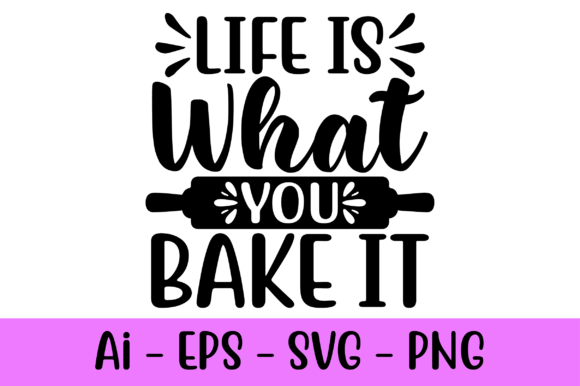
Life is What You Bake It
As an embroidery designer and product reviewer, I’ve evaluated countless machine embroidery designs. Life is What You Bake It stands out for its warmth, simplicity, and versatility. The design exudes a cozy, celebratory vibe that feels right at home on custom apparel, personalized gifts, and small business merchandise. Its clean layout and expressive theme make it ideal for projects that aim to convey joy and creativity.
The First Impression: A Design That Speaks Volumes
Life is What You Bake It immediately conveys a sense of comfort and celebration. The shape is balanced, the text is legible, and the overall layout feels intentional. It’s not overly complex, which makes it accessible for both beginners and experienced embroiderers. The visual personality leans toward casual elegance—perfect for a handmade product or a commercial design asset.
This design would naturally fit into projects like a tote bag design, a sweatshirt embroidery, or a baby item. It has the potential to become a signature piece in a craft business or a standout feature in an Etsy listing. The theme is broad enough to work across multiple occasions, from birthdays to weddings, making it a valuable addition to any embroidery file collection.
Real-Life Embroidery Performance: Where It Shines
When I tested Life is What You Bake It on different fabrics, it performed well on most standard materials. The stitch density is moderate, which means it won’t overwhelm thin or stretchy fabrics. It works especially well on cotton t-shirts, canvas tote bags, and lightweight sweatshirts. The design’s simplicity allows it to adapt to various embroidery project types without losing clarity.
For a custom apparel project, this design could be a great focal point. On a baby onesie, it adds a personal touch without being too bold. As an embroidered patch, it looks neat and professional. For holiday embroidery, it offers a warm, inviting message that fits perfectly with seasonal themes.
One thing to note is that the design doesn’t have intricate details that require high stitch counts. This makes it suitable for smaller hoop sizes, though larger hoops might offer better precision for larger versions. If you’re planning to use it on a cap or a curved surface, you’ll want to ensure the design is properly adjusted for those shapes.
Where to Be Careful: Limitations and Considerations
While Life is What You Bake It is versatile, there are a few areas where caution is needed. On dark fabric, the thread color contrast may need to be adjusted for visibility. If you’re working with textured or stretchy materials, the design might not sit as smoothly as it would on a flat, stable surface.
Small hoop sizes can limit the design’s full potential, so it’s best to check the recommended hoop size before starting. Tiny lettering or detailed corners may not come out as crisp as expected. If you're using this as an applique design, make sure the edges are well-defined to avoid fraying or distortion.
For commercial embroidery projects, it’s important to confirm that the design is licensed for resale. Always review the terms before selling finished products or digital embroidery files. This design seems to be a solid choice for handmade products, but you should verify all licensing details before use.
Design Impact: Visual Appeal and Customer Value
Life is What You Bake It adds visual appeal without overwhelming the garment or item it’s applied to. Its clean lines and friendly message make it instantly recognizable, which can enhance customer trust and engagement. When used on a personalized gift or a boutique product, it elevates the overall presentation and gives the finished product a more professional look.
For a craft business or an Etsy seller, this design could serve as a reliable staple. It’s easy to incorporate into printable mockups, and its simple structure makes it adaptable for different branding needs. Whether you're creating a custom apparel line or a small shop product, this design offers a consistent, appealing visual element that aligns with many creative goals.
Practical Designer Notes: How to Get the Best Results
Before using Life is What You Bake It in your next embroidery project, here are a few practical tips:
- Test the design on scrap fabric to see how it looks in real conditions.
- Check thread color contrast against the fabric background for optimal visibility.
- Review the stitch density to ensure it matches your project’s requirements.
- Confirm the recommended hoop size for the version you’re using.
- Inspect small details like lettering and corners for clarity.
- Test the design in black and white mockups to see how it translates visually.
- Compare the design on light and dark fabric backgrounds for best results.
- Use proper stabilizer to prevent puckering or distortion on stretchy or delicate fabrics.
- Verify that the design is suitable for both personal and commercial use.
- Confirm licensing terms before selling finished items or digital products.
By following these steps, you can ensure that Life is What You Bake It delivers the quality and appearance you expect in your embroidery project.
Final Thoughts: A Design Worth Adding to Your Collection
Life is What You Bake It is a thoughtful, practical design that can serve many purposes in an embroidery workflow. It’s not flashy, but it’s effective—perfect for custom apparel, personalized gifts, and small business merchandise. Its simplicity and warmth make it a great choice for both handmade products and commercial embroidery projects.
If you’re looking for a design that feels authentic and versatile, this one is worth considering. It’s a solid addition to any embroidery file library, especially for those who value creativity, clarity, and customer appeal in their finished products.