Lovely Penguin: A Design Review
As an embroidery designer and product reviewer, I’ve evaluated countless machine embroidery designs. One that stands out is the Lovey Penguin. It’s a simple yet charming design that can elevate a variety of projects. But like any design, it has its strengths and limitations. Let’s dive into how this design performs in real-world use.
The First Impression
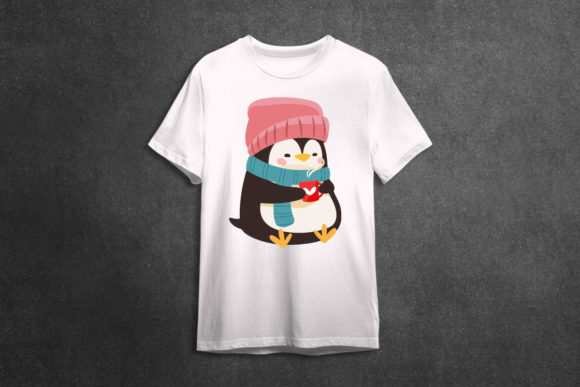
From the moment I saw the Lovey Penguin, I was struck by its friendly, approachable vibe. The penguin is stylized with soft curves and a minimalistic layout, making it ideal for a range of applications. The design feels like it belongs on a baby onesie, a cozy sweatshirt, or even a personalized tote bag. Its simplicity allows for versatility, but it also means it needs careful handling to maintain visual appeal.
The theme is clearly centered around whimsy and warmth. It’s not overly detailed, which makes it great for quick projects, but it also means that the design may not hold up well in high-stitch-density areas. The layout is balanced, but it could be challenging on curved surfaces like caps or on thin, stretchy fabrics.
Real-Life Embroidery Use Cases
Imagine you’re preparing a custom embroidered tote bag for a client. The Lovey Penguin would look great as a central motif. It’s large enough to make an impact without being overwhelming. However, if you’re using a small hoop, you might need to break the design into sections. That said, it works well on larger items like sweatshirts or pillow covers where the full design can be stitched in one go.
For baby items, the Lovey Penguin is a solid choice. It’s not too intricate, which helps prevent thread tangling or fabric distortion. But if you’re planning to use it on a onesie, be mindful of the fabric type. Stretchy or thin materials could cause the design to pucker or lose definition.
On dark fabrics, the design might need a bit more attention. If you’re using a white or light-colored thread, the penguin may not stand out as much. Consider using a contrasting color or adding a background fill to make it pop. This is especially important if you're selling the design as a digital file or creating a printable mockup for your Etsy shop.
Where to Be Careful
While the Lovey Penguin is versatile, there are certain scenarios where it might not perform as well. For example, if you’re working with a small hoop size, you may need to adjust the design or split it into smaller sections. This can add time and complexity to your project, especially if you're working on a tight deadline.
Textured fabrics, such as fleece or knits, can also affect the final result. The penguin’s shape is clean, but if the fabric is too thick or uneven, the stitching may not sit flat. Similarly, on thin or stretchy materials, the design might not hold up under repeated washing or wear.
When it comes to commercial embroidery projects, the Lovey Penguin could be a good fit for a small business or craft seller. However, always check the licensing terms before selling finished products or digital files. Make sure the design is suitable for both personal and commercial use, depending on your goals.
Impact on Visual Appeal and Customer Perception
One of the key factors in embroidery design is how it looks after stitching. The Lovey Penguin has a clean, recognizable shape that should translate well onto most fabrics. However, the stitch density and placement matter. If the design is too dense, it could cause the fabric to stiffen or the threads to bunch up.
For handmade products, the Lovey Penguin adds a touch of personality and charm. It’s perfect for personalized gifts or boutique merchandise. Customers often appreciate the effort and creativity behind a unique design, and this penguin could help build trust in your brand. But again, the quality of the finished product depends on how well the design is executed.
If you're an Etsy seller or a small shop owner, the Lovey Penguin could be a valuable addition to your design assets. It’s simple enough to be used across multiple products, from aprons to holiday gifts. Just make sure the design is optimized for different applications and that it aligns with your brand’s style.
Practical Designer Notes
Before committing to a project, I always recommend testing the Lovey Penguin on scrap fabric. This will give you a better idea of how the design looks in real life and whether it meets your expectations. Pay attention to the stitch density and the way the threads interact with the fabric.
Check the thread color contrast, especially if you’re using the design on dark or patterned materials. A white or light thread might not show up well, so consider adjusting the color or adding a background fill. Also, review the stabilizer use—some fabrics may require extra support to prevent puckering or distortion.
Finally, test the design in black and white mockups to see how it looks without color. This can help you identify any issues with the layout or detail level. If you’re creating a printable mockup for your website or social media, make sure the design is clear and professional.